Swedish industry needs more electricity to grow and decarbonise. But the answer goes beyond increasing electricity supply and expanding the grid. In the Elflexibel industri project, 23 industrial companies are joining forces with energy companies and academic partners to test a new way of making better use of existing capacity – enabled by digitalisation and AI.
In several parts of Sweden, grid capacity is already limiting opportunities for industrial expansion. At the same time, the green transition is driving the electrification of more and more industrial processes.
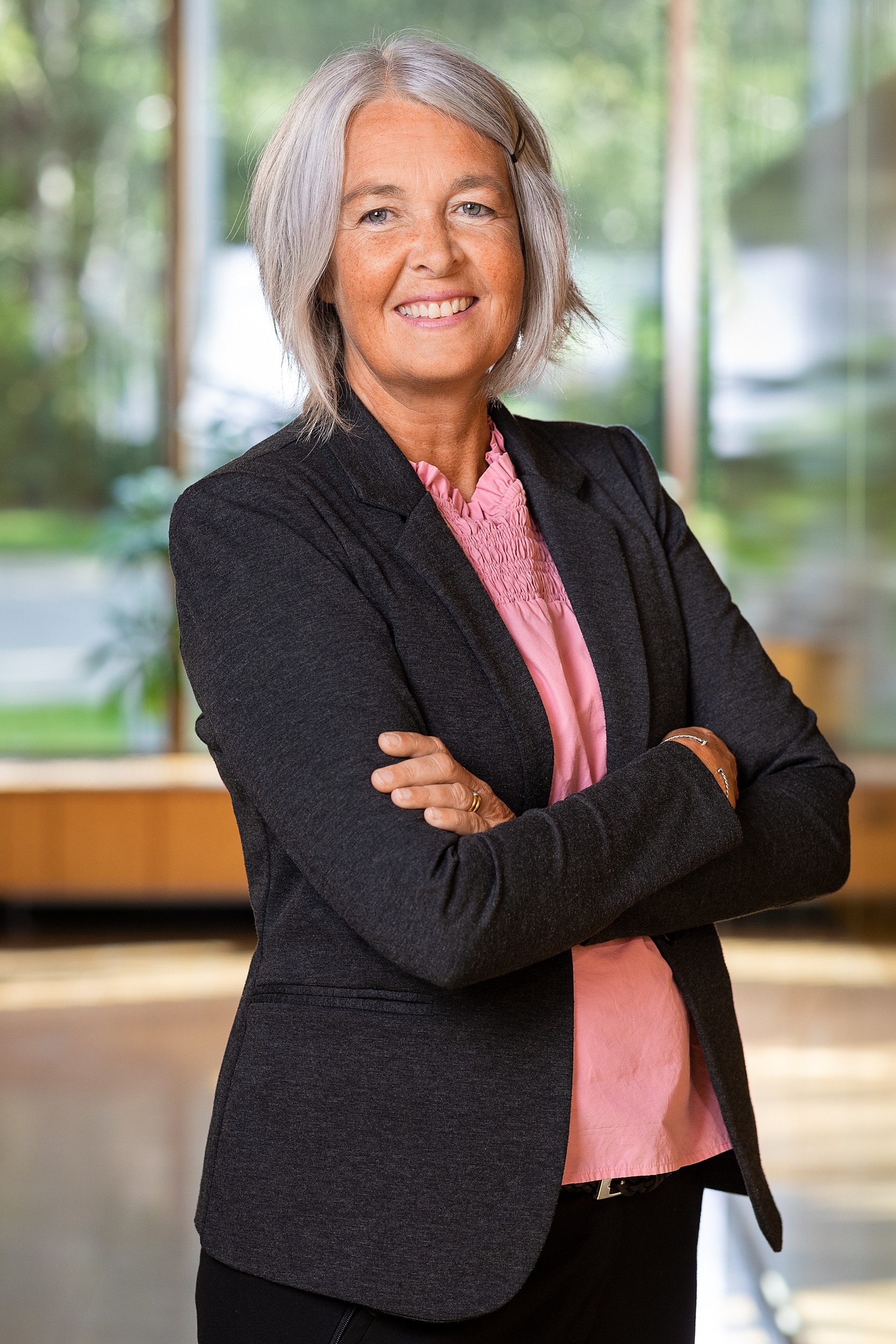
“Some companies have been unable to expand their operations because the grid lacks sufficient capacity. Meanwhile, electrification is putting even greater pressure on the system,” says Hanna Persson, Project Manager and Business Developer in batteries and energy at Chalmers Industriteknik.
Electricity flexibility is about making smarter use of available capacity. An industrial company might, for example, shift energy-intensive processes to different times, store electricity generated on site, or plan production around electricity prices and grid demand. But the real shift at system level comes when multiple organisations start working together.
“Imagine if companies could coordinate their energy-intensive activities so they don’t all run them at the same time. One company might schedule an activity for Tuesday, and another for Wednesday. That way, we can spread demand over time and make better use of the capacity we already have.”
From isolated operations to a shared system
The need for collaboration also explains why the project brings together such a broad range of participants. Creating a flexible industrial electricity system takes more than individual companies installing new technology. Industrial companies, energy companies, grid operators and technology providers need to be able to share information, understand one another’s needs and develop new ways of working together.
The long-term vision is to establish industrial energy communities, where companies move beyond producing and consuming energy independently to coordinating energy use, storing energy and sharing resources.
“The goal is for companies to collaborate on energy – even when they are competitors,” says Hanna Persson.
Digitalisation is essential. By measuring and analysing electricity use, companies can identify peaks in power demand and start managing their operations more intelligently. AI will help turn data on production, energy use and electricity prices into forecasts that support planning.
“Without digitalisation, this would not be possible. The aim is to find a smarter way to plan production without compromising our ability to deliver.”
We already have the technology – now we need to make it work together
Much of the technology already exists: digital control systems, energy storage, metering, AI and automation. The challenge is to make these solutions work together while developing the working practices, business models and rules that enable collaboration.
The solutions will therefore be tested in real industrial settings. Participating companies will receive support in areas including forecasting, business modelling and cybersecurity, while sharing experience and solutions across the project.
“We don’t necessarily need to develop more solutions. The strength lies in combining what is already available and making it work together.”
The ambition is for the results to benefit companies far beyond the 23 taking part. If industrial electrification is to continue, simply adding capacity will not be enough. Swedish industry also needs to play a more active role in the energy system – and start making use of power together.
Project Facts
Project name: Elflexibel Industri
Total budget: SEK 315,662,613
Contact person: Hanna Persson, Chalmers Industriteknik
Participating industry partners include: Billerud Sweden AB, SWECO Sverige AB, Volvo Construction Equipment AB, Ericsson AB, Telia Sverige AB and Vattenfall AB.