Every hour of unplanned production downtime costs industry millions of kronor. What if machines could tell us when they need servicing – and people on the factory floor had the tools to understand why? This is precisely what the TPdM research project, Trustworthy Predictive Maintenance, is working towards: developing reliable and understandable AI solutions for industry.
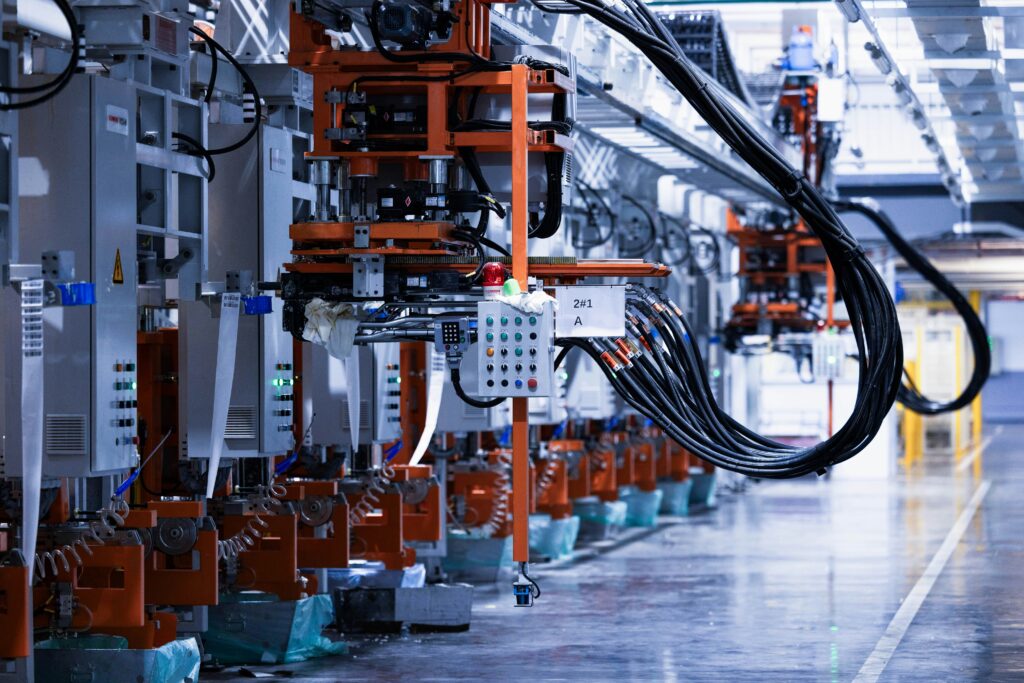
As industry becomes increasingly digitalised, opportunities to use data to predict machine failures before they occur are growing. In recent years, predictive maintenance (PdM) has been highlighted as one of the industrial applications with the greatest potential to deliver business value – by reducing downtime, optimising resource use and increasing productivity. But the technology must do more than work. It must be understandable and trusted by those who use it every day. This challenge is at the heart of TPdM – Trustworthy Predictive Maintenance, led by Chalmers University of Technology in collaboration with partners including AB SKF, Husqvarna AB, Volvo Group, Siemens AB, Capgemini Sverige AB and the University of Skövde.
From technology to trust
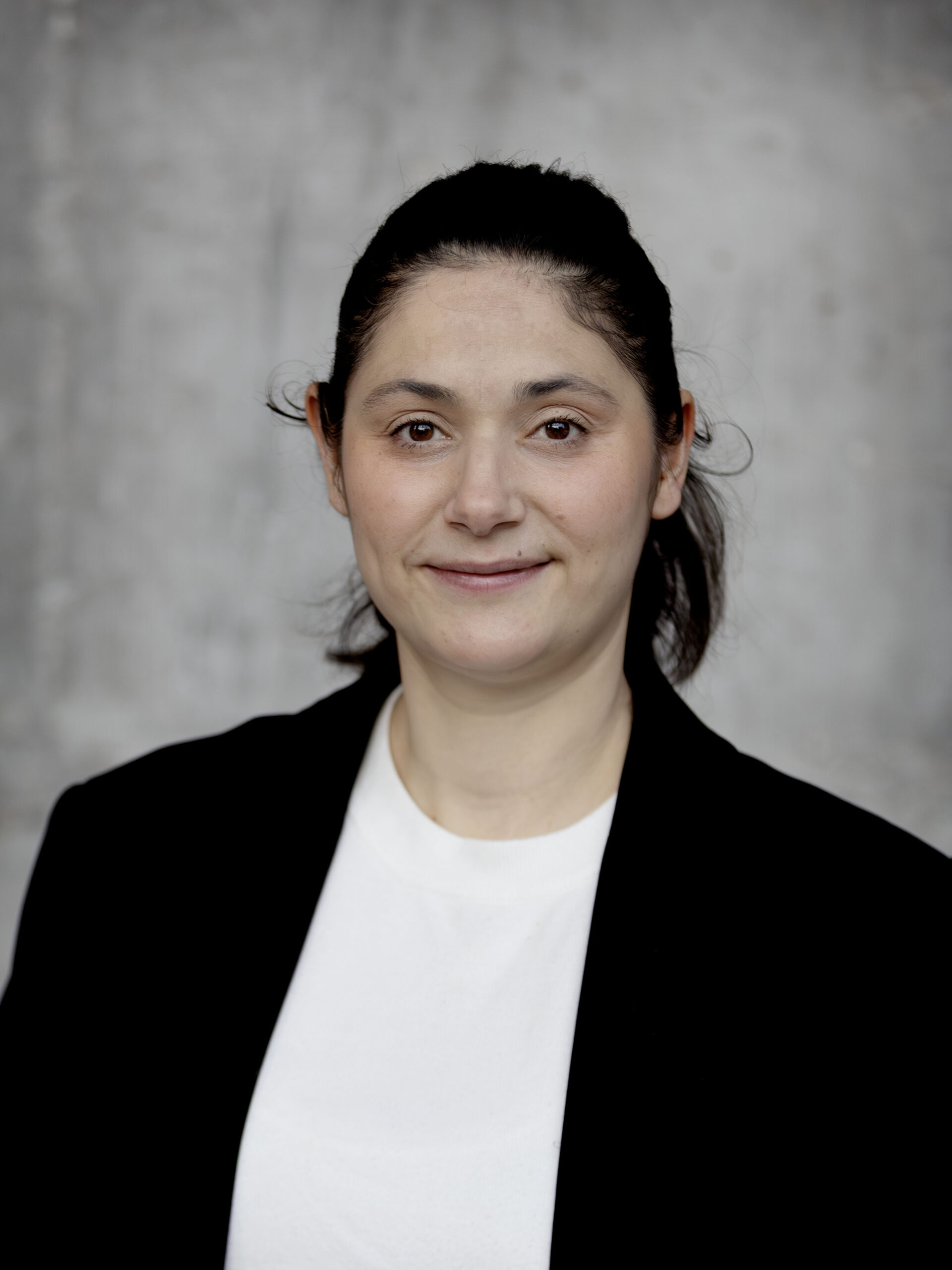
Project Manager Ebru Turanoglu Bekar, Senior Lecturer in the Division of Production Systems at Chalmers, is part of the Maintenance Engineering research group. She has worked on predictive maintenance in close collaboration with industry since 2018.
– Predictive maintenance is a cornerstone of the smart industry of the future. Several international reports, including those from the World Economic Forum, identify it as an area of digitalisation with significant potential to create business value. But this requires AI solutions that people can understand and feel confident trusting, she says.
TPdM builds on previous research and focuses on developing human-centred decision-support prototypes for predictive maintenance. The aim is to create systems that combine advanced data analytics and machine learning with human experience, enabling more reliable and traceable maintenance decisions in industry.
– We want technicians and decision-makers not just to use the systems, but to understand how they work and why they recommend a particular course of action. The better you understand a system, the more you trust it, Ebru explains.
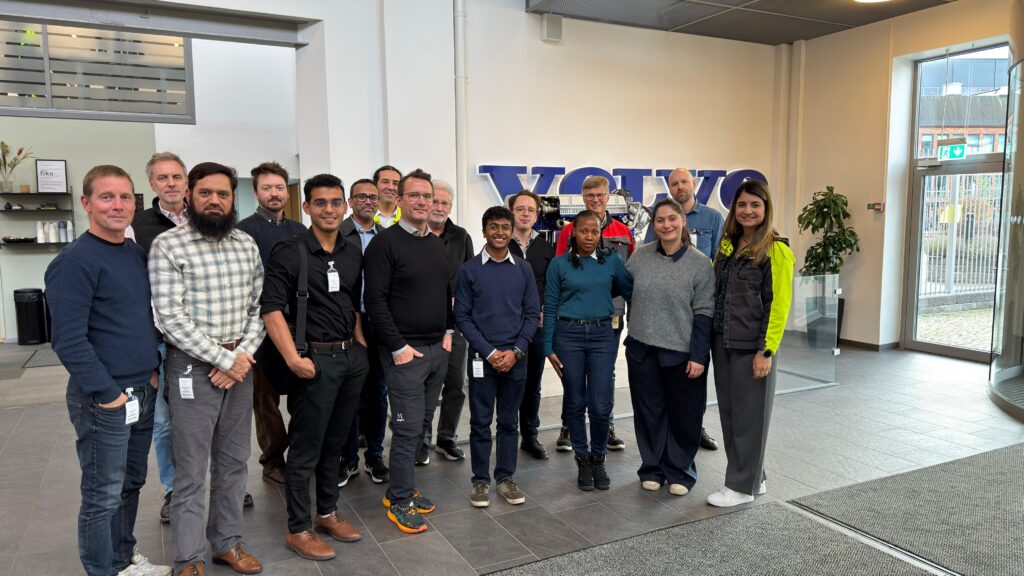
Making digitalisation work
Predicting failures requires data to be collected, managed and analysed reliably. TPdM is working to build robust, connected systems of systems that can deliver the right data at the right time – and turn it into actionable insights.
– Digitalisation is not just about technology and sensors. It is about creating an integrated solution in which data, analytics and human knowledge work together across value chains. Only then does AI become an effective decision-support tool, says Ebru.
During the project, the researchers developed software prototypes that were tested in collaboration with the industry partners. These tools support decision-makers by visualising data, indicating risk levels and predicting when maintenance should be carried out – before downtime occurs. The results indicate improved cost efficiency, shorter periods of downtime and better use of resources.
Co-creation between people and machines
One of the project’s most important lessons has been that human involvement in the development process is essential to creating trustworthy AI solutions.
The project takes an iterative approach. Interface designs, dashboards and decision logic are tested with technicians and operators on the factory floor, with participants providing continuous feedback. This ensures that the solutions are adapted to real needs.
– A key principle throughout the project has been to keep domain experts – the people who know the machines best – at the centre. They understand how wear develops and which signals matter. When they are involved throughout the process, from data analysis to implementation, the system becomes both more useful and more reliable, says Ebru.
This co-creation approach has not only improved the results but also deepened participants’ understanding of what AI and data analytics mean in practice. Many have gained new insights into how their experience can be combined with digital technology to make better decisions.
From pilot to scalable solution
TPdM’s solutions have been developed and tested in pilot environments at companies including Volvo, SKF and Husqvarna, and the work has already produced several concrete outcomes:
- Decision-support software prototypes based on predictive analytics.
- Methods for reliable data analysis, including the use of Bayesian modelling to manage uncertainty.
- Educational and lifelong learning materials for engineering students and professionals.
- Scientific publications and conference presentations, including at the Data & AI Summit 2025, organised by Capgemini Nordic.
The project has also identified key challenges in scaling up predictive maintenance, including data sharing, cybersecurity, a shortage of AI expertise and the need for standardised processes. At the same time, industry attitudes have shifted significantly over the course of the project.
The project is expected to deliver substantial long-term benefits. Implementing a predictive maintenance decision-support system could significantly reduce both planned downtime, by 20–40%, and unplanned downtime, by 60–80%, while reducing spare parts inventory levels by 50–60%. This would improve operational efficiency and reduce energy consumption associated with maintenance-related waste. These figures are based on customer projects and survey findings from the project. The improvements are expected to support world-class productivity, with higher overall equipment effectiveness (OEE) and progress towards zero-defect production.
– When we started, many companies were unsure why they should use AI. Now the discussion has shifted from why to how. Companies have some data – the challenge now is to use it in the right way, Ebru observes.
Towards a more sustainable and competitive industry
Predictive maintenance has significant potential to deliver both economic and sustainability benefits. Production disruptions cost the Swedish manufacturing industry more than SEK 1 billion every year. By predicting failures and scheduling maintenance in good time, companies can conserve resources, reduce waste and extend the service life of their machinery.
– We see clear benefits in the form of better planning, greater availability and increased productivity. Equally important, however, is that these projects build expertise in advanced data analytics and smart maintenance – something that can benefit Swedish industry as a whole, says Ebru.
As TPdM draws to a close, the work continues in the new AIMOps project, which focuses on more advanced AI architectures that bring maintenance, production and quality together within shared analytical frameworks.
– We are moving towards an industry in which people and technology work closely together. Success requires more than data and models: it also takes understanding, trust and collaboration. That is exactly what TPdM has been about, Ebru concludes.
Project Facts
Project name: Trustworthy Predictive Maintenance (TPdM)
Project period: September 2022 – September 2025
Project lead: Ebru Turanoglu Bekar, Chalmers University of Technology
Partners: AB SKF, Husqvarna AB, Volvo Group, Siemens AB, Capgemini Sverige AB and the University of Skövde.
Total budget: SEK 11,139,048, jointly funded by industry and the public sector.
Purpose: To develop human-centred decision-support prototypes for predictive maintenance using advanced data analytics and machine learning, strengthening the competitiveness and sustainability of Swedish industry.