As challenges become more complex and urgent, industry needs to make difficult decisions early in the development process, while ideas are still taking shape. The EARLY BIRD project addressed this need by developing methods that enable informed decisions at an early stage – helping to avoid costly corrections later on.
Collaboration between industry and academia
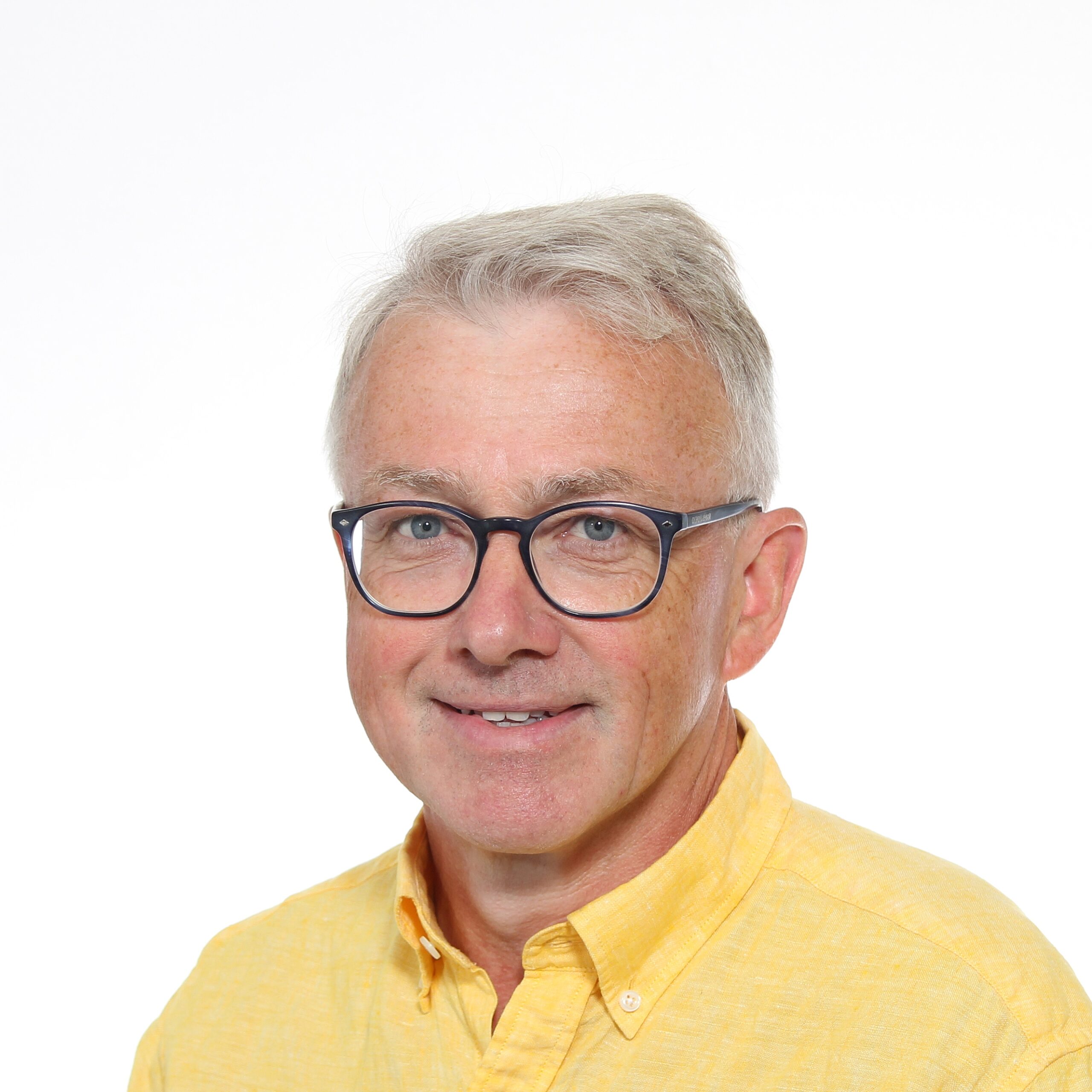
EARLY BIRD – Seamless systems engineering from concept to implementation concluded in May 2025, following four years of co-funding from Avancerad Digitalisering. The project brought together Saab, Ericsson and KTH Royal Institute of Technology. One of its key contributors was Ingemar Söderquist, Technical Fellow at Saab and Adjunct Professor at KTH. With more than 40 years of experience in systems engineering and aviation safety, he served as a bridge between industry and research.
In the aviation industry, decisions can have significant implications for both cost and safety. The project therefore shifted the focus from detailed testing late in development to early analysis and simulation. Funding from Avancerad Digitalisering enabled new approaches to be tested through close collaboration between industry and academia. Among other outcomes, the project developed methods and tools for digital systems that allow ideas to be tested on a virtual platform without putting operational systems at risk.
– In the aviation industry, we need to develop new solutions while ensuring safety and reliability over the long term, he explains.
Why early decisions matter
– We have connected models and simulations at a higher level of abstraction than is common in Swedish industry. Previously, the approach was often to move straight to software models, but we have worked systematically with both functionality and timing behaviour, as well as the handling of safety-critical functions, says Ingemar Söderquist, Technical Fellow at Saab.
One key lesson Ingemar highlights is the importance of long-term commitment and trust within the consortium. The project also demonstrated the value of sharing experience: exchanges between experienced engineers and doctoral students helped develop skills and laid the groundwork for future collaboration.
– Tools cannot replace the exchange of experience between generations, Ingemar emphasises.
The project also provided valuable insights into how early modelling and simulation can improve future aircraft and systems development.

Next steps
The EARLY BIRD methodology has already inspired a new project within Sweden’s National Aeronautics Research Programme (NFFP8): “Design and analysis of time-critical parallel applications on heterogeneous avionics platforms”. This project builds on the methods and tools developed in EARLY BIRD, with a particular focus on managing uncertainty during early design stages while harnessing the potential for parallel processing offered by emerging heterogeneous platforms. The new project gives doctoral students and researchers opportunities to continue experimenting with advanced models and simulations in an industrial setting.
Looking ahead, Ingemar Söderquist sees significant potential in more automated and integrated design processes. Practical improvements in aircraft and systems development can strengthen the competitiveness of both the aviation and telecommunications industries and help Sweden maintain a leading position in advanced systems engineering.
Key project outcomes
- Early analysis – reduces the risk of rework and saves costs.
- Methods for managing uncertainty – enable functionality, timing behaviour and safety-critical elements to be analysed before implementation.
- Open-source tools – allow more companies to explore design choices and support knowledge sharing across the industry.
Project Facts
Project name: EARLY BIRD – Seamless systems engineering from concept to implementation
Project lead: Ingemar Söderquist, Saab
Partners: Saab, Ericsson and KTH Royal Institute of Technology
Project period: 2021 – May 2025
Goal: To enable more informed decisions early in systems development through integrated modelling, analysis and simulation, reducing the risk of costly redesign later in the process.
Total budget: SEK 14 million.
Purpose: To strengthen collaboration between industry and academia and develop methods and tools for analysing functionality, timing behaviour and safety-critical aspects before implementation. The project aims to support more reliable and efficient development of complex systems, with applications in aviation and telecommunications.